Professional Waste Collection & Disposal | Sustainable Solutions
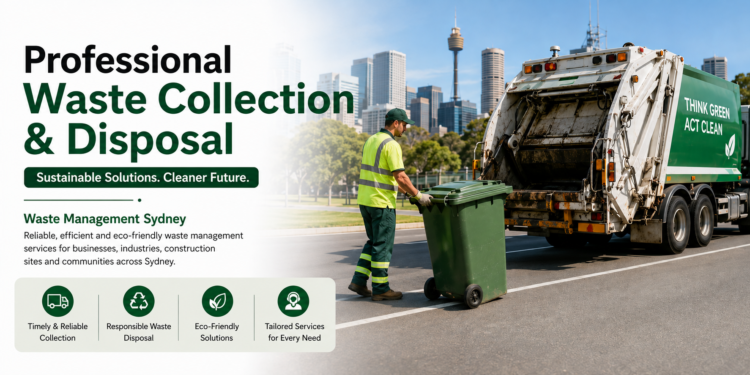
Effective waste management is an essential part of maintaining clean, safe, and sustainable communities. As cities grow and businesses generate increasing amounts of waste, the need for reliable professional waste collection and disposal service sydney has never been greater. In Sydney, businesses, commercial properties, construction sites, hospitality venues, and industrial facilities all need practical systems for collecting, sorting, recycling, transporting, and disposing of waste responsibly.
Professional waste management is not simply about removing rubbish from a property. A complete waste solution should focus on efficiency, safety, recycling, resource recovery, environmental responsibility, and compliance. For Sydney businesses, choosing the right waste collection partner can make waste handling easier while helping reduce the amount of material sent to landfill.
What Is Professional Waste Collection and Disposal?
Professional waste collection and disposal involves the organised removal, transportation, processing, recycling, treatment, and disposal of waste generated by homes, businesses, construction projects, commercial properties, and industrial facilities.
Unlike household waste services arranged through local councils, businesses generally need to organise their own commercial waste collection arrangements. The City of Sydney advises businesses to arrange their own commercial waste collections and be able to provide evidence of their collection contract if requested.
A professional provider can assess the amount and type of waste produced by a site and recommend appropriate bins, collection frequencies, recycling systems, and disposal pathways.
Why Waste Management Matters in Sydney
Sydney is a large and busy metropolitan area with offices, restaurants, retail centres, warehouses, manufacturing facilities, construction projects, healthcare businesses, and residential developments operating every day. Each of these environments produces different types and quantities of waste.
Poorly managed waste can result in overflowing bins, unpleasant odours, pest problems, unsafe working areas, and unnecessary environmental impacts. A well-designed waste management system helps businesses keep their premises cleaner while ensuring waste is collected and processed appropriately.
NSW guidance for commercial and industrial facilities emphasises the importance of properly designed waste and recycling systems and appropriate commercial collection services.
General Waste Collection Services
General waste remains one of the most common waste streams produced by businesses. It may include materials that cannot readily be recycled through standard recycling systems.
Professional collection services can provide appropriately sized bins and scheduled pickups based on a business’s waste volume. Instead of allowing waste to accumulate, businesses can establish a collection schedule that fits their operational requirements.
The right collection frequency is important. Too few collections can lead to overflowing bins, while unnecessarily frequent collections may increase costs. A professional assessment can help determine a practical balance between capacity, collection frequency, hygiene, and budget.
Recycling and Resource Recovery
Modern waste management is increasingly focused on recovering useful materials rather than sending everything to landfill.
Paper, cardboard, certain plastics, metals, glass, organics, and other recoverable materials can potentially be separated and directed toward recycling or resource recovery pathways. Commercial waste providers may offer dedicated recycling services and collection systems designed around different waste streams.
For example, some Sydney waste providers offer separate services for general waste, food organics, recycling, industrial waste, liquid waste, and other specialised materials.
Effective separation at the point where waste is generated can make recycling more efficient and reduce contamination.
Construction and Industrial Waste Management
Construction and industrial operations can generate significantly different waste streams from those produced by offices or retail businesses.
Construction sites may generate timber, concrete, bricks, metals, packaging, soil, and other materials. Industrial facilities may produce manufacturing waste, process materials, liquids, packaging, or specialised waste requiring specific handling.
Professional waste management allows these materials to be assessed and handled according to their characteristics. Depending on the waste stream, businesses may use skip bins, hook bins, compactors, wheelie bins, specialised containers, or other equipment.
The NSW Government’s waste management procurement framework includes services such as bins, collection, transport, processing, treatment, disposal, recycling, organics, liquid waste, clinical waste, and secure destruction.
Commercial Waste Management for Sydney Businesses
Different businesses have different waste requirements. A small office may primarily generate paper, cardboard, packaging, and general waste, while a restaurant may produce substantial quantities of food and organic waste.
Retail stores can generate cardboard and packaging, warehouses may require large-volume collection, and hospitality businesses may need frequent collections to maintain hygiene standards.
A professional waste provider can develop a customised solution based on factors such as:
- Type of business
- Waste volume
- Waste categories
- Available storage space
- Site access
- Required collection frequency
- Recycling objectives
- Operational hours
- Budget requirements
Tailored waste management helps businesses avoid using a one-size-fits-all system.
The Importance of Responsible Waste Disposal
Waste disposal should not simply mean taking rubbish away from a property. Businesses should consider what happens after collection.
Responsible disposal involves directing waste to appropriate processing, recycling, treatment, or disposal facilities. Where practical, recyclable and reusable materials should be recovered before residual waste is sent for final disposal.
Some waste management providers describe processes involving weighing, sorting, recycling, resource recovery, and the use of regulated processing facilities.
This approach helps businesses understand that waste management is a complete chain—from the moment waste is generated to its final destination.
Reducing Waste Sent to Landfill
One of the major goals of sustainable waste management is reducing unnecessary landfill disposal.
Businesses can support this goal by separating recyclable materials, reducing unnecessary packaging, reusing materials where possible, improving employee awareness, and monitoring the amount of waste generated.
Waste audits can also help identify opportunities for improvement. If a business discovers that a large proportion of its general waste consists of recyclable cardboard or food organics, it may be possible to introduce dedicated collection streams.
This can potentially improve environmental outcomes while making waste operations more efficient.
Benefits of Professional Waste Management
Professional waste collection offers several benefits for businesses and communities.
Cleaner and Safer Workplaces
Regular collection helps prevent overflowing bins and waste accumulation. Cleaner waste storage areas can contribute to better workplace hygiene and a more professional appearance.
Improved Recycling
Dedicated recycling systems make it easier to separate recoverable materials and reduce contamination.
Greater Operational Efficiency
Scheduled collections allow businesses to plan waste handling around their daily operations instead of dealing with waste problems as they arise.
Environmental Responsibility
Effective resource recovery can reduce the amount of waste requiring landfill disposal and support more sustainable material use.
Flexible Solutions
Professional providers can offer different bin sizes and collection frequencies depending on the requirements of each site. Sydney waste services commonly provide options ranging from smaller mobile bins to larger commercial containers and compactors.
Choosing the Right Waste Management Provider
Choosing a waste collection company should involve more than comparing prices. Businesses should consider reliability, service coverage, waste streams handled, recycling capabilities, equipment, collection schedules, customer support, and responsible disposal practices.
It is also important to understand what happens to collected waste. A provider that can explain its recycling, processing, recovery, and disposal pathways can help businesses make more informed decisions.
For Sydney businesses, local experience can also be valuable because waste requirements, site conditions, access restrictions, and local regulations can vary.
Sustainable Waste Management for a Better Future
Sustainability is becoming an increasingly important consideration for businesses of all sizes. Customers, employees, investors, and communities are paying greater attention to how organisations manage their environmental impact.
Waste management provides a practical opportunity to demonstrate sustainability in everyday operations.
By reducing waste generation, improving recycling, separating materials, using appropriate collection systems, and choosing responsible disposal pathways, businesses can take meaningful steps toward a more sustainable operation.
Professional waste management providers can support this process by combining collection services with recycling, resource recovery, education, waste audits, and customised solutions.
Waste Management in Sydney: Building Cleaner Communities
Sydney’s waste management needs will continue to evolve as businesses grow, environmental expectations increase, and resource recovery becomes more important.
For businesses, effective waste management should be viewed as an essential part of daily operations rather than an afterthought. A reliable collection system keeps waste under control, while recycling and resource recovery can help reduce environmental impact.
Professional waste management providers across Sydney offer services for commercial, industrial, retail, hospitality, construction, healthcare, logistics, and other sectors.
The most effective approach is one that combines reliable collection with responsible processing and disposal.
Conclusion
Professional waste management sydney collection and disposal is about much more than removing rubbish. It is about creating a structured system that keeps businesses clean, supports workplace safety, improves recycling, reduces unnecessary landfill disposal, and contributes to a more sustainable Sydney.
From general commercial waste and recycling to construction, industrial, organic, liquid, and specialised waste streams, businesses can benefit from solutions designed around their specific needs.
By working with a professional waste management provider, businesses can establish dependable collection schedules, select suitable equipment, improve waste separation, and identify opportunities for resource recovery.
A cleaner workplace can contribute to a cleaner community—and responsible waste management today can help create a more sustainable future for Sydney.