Is a 200 Hour Yoga Teacher Training in Rishikesh Worth It? A Complete Guide
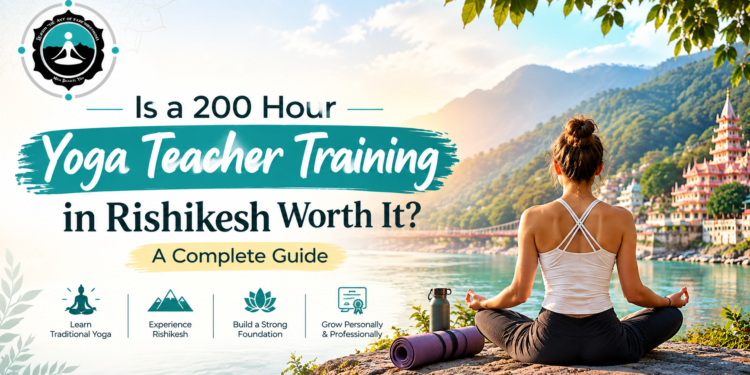
Yoga has become an essential part of a healthy lifestyle for people seeking physical fitness, mental clarity, and personal growth. While regular yoga classes can help you develop a consistent practice, a structured teacher training programme allows you to explore yoga more deeply. You can learn about traditional postures, breathing techniques, meditation, anatomy, and the philosophy behind this ancient Indian discipline. For people who want to improve their personal practice or explore a career in yoga, choosing the right training programme is an important decision.
A 200 hour yoga teacher training in Rishikesh can be a worthwhile investment for beginners and experienced practitioners who want to build a strong foundation in yoga. Rishikesh, situated in Uttarakhand near the Himalayan foothills and the Ganges River, is internationally known for its yoga schools and spiritual traditions. A comprehensive programme typically combines practical training with theoretical lessons, helping students understand yoga beyond physical exercise. However, whether the course is worth your time and money depends on your goals, the school’s teaching quality, the curriculum, and the certification it provides. This complete guide explores the benefits, course structure, career opportunities, and key factors to consider before enrolling.
What Is a 200 Hour Yoga Teacher Training Course?
A 200-hour yoga teacher training course is a foundational programme designed to develop a student’s understanding of yoga and introduce the skills required to teach it. Many programmes welcome beginners, so previous teaching experience is generally not necessary, although individual schools may have their own entry requirements.
The curriculum commonly covers Hatha Yoga, Vinyasa Yoga, pranayama, meditation, yoga philosophy, anatomy, alignment, and teaching methodology. Students also learn how to structure classes, demonstrate postures, provide clear instructions, and adapt practices for different abilities.
Many schools in Rishikesh offer intensive residential programmes lasting approximately three to four weeks, although schedules and formats vary. This immersive approach allows students to follow a regular routine of practice, study, and reflection.
The course is useful for people who want to deepen their personal practice as well as those who intend to pursue a professional teaching pathway.
1. Build a Strong Foundation in Traditional Yoga
One of the biggest advantages of a 200-hour programme is the opportunity to study yoga systematically rather than learning individual postures in isolation.
Students explore foundational asanas, alignment principles, breathing techniques, and meditation practices. They also learn why certain movements are performed, how postures can be modified, and how to approach yoga with greater awareness.
Traditional yoga includes philosophical teachings that extend beyond physical fitness. Students may explore Patanjali’s Yoga Sutras, the eight limbs of yoga, and principles such as discipline, self-study, and non-violence.
This combination of practical and theoretical learning helps develop a more complete understanding of yoga. Instead of simply following a teacher’s instructions, students gain the knowledge to practise more independently and understand the principles behind their movements.
For beginners, this foundation can make future learning easier. Experienced practitioners can also benefit by refining their techniques and exploring subjects they may not have studied in regular classes.
2. Learn in the Spiritual Environment of Rishikesh
Rishikesh is one of India’s best-known destinations for yoga and meditation. Its yoga schools, ashrams, temples, and connection with the Ganges River attract students from many countries.
Choosing Rishikesh gives students the opportunity to learn yoga in a place closely associated with India’s spiritual and cultural traditions. Depending on the school, training may include traditional Hatha Yoga, Ashtanga Vinyasa, pranayama, meditation, and philosophical discussions.
The surrounding natural environment can also make the experience memorable. Time spent away from everyday responsibilities may help students focus on their studies, develop a regular routine, and reflect on their personal goals.
However, Rishikesh is a busy destination, and the atmosphere varies between neighbourhoods. When choosing a school, consider its location, accommodation, class schedule, and learning environment to ensure that they match your preferences.
3. Improve Physical Strength, Flexibility, and Balance
A 200-hour training programme usually involves regular physical practice, giving students an opportunity to improve their understanding of movement and posture.
Through foundational asanas and guided practice, students can work on flexibility, balance, muscular endurance, and body awareness. Learning proper alignment can also help them understand how to perform postures within their individual physical limits.
Rather than concentrating only on advanced poses, a good programme teaches students how to build skills gradually. Instructors may demonstrate modifications and explain how different postures can be adapted to suit different levels of ability.
The benefits depend on individual circumstances, consistency, and previous experience. Students should avoid forcing their bodies into challenging positions and communicate any concerns to their instructors.
The goal is to develop a sustainable personal practice that supports long-term physical well-being.
4. Develop Meditation and Breathing Skills
Yoga teacher training typically includes pranayama and meditation as important components of the learning process.
Pranayama introduces students to yogic breathing techniques, while meditation helps develop concentration and awareness. Depending on the curriculum, students may practise breath awareness, alternate-nostril breathing, guided meditation, and relaxation techniques.
These practices can help students become more attentive to their breathing and create opportunities to slow down during a demanding day. Regular meditation may also support relaxation and concentration.
Learning under an instructor is particularly useful for beginners because some techniques require careful guidance. Students can discover which practices suit them and learn to approach them patiently.
After completing the course, these skills can be incorporated into a daily routine at home, making the training valuable even for people who do not intend to become professional yoga teachers.
5. Gain Practical Teaching Experience
If you want to teach yoga professionally, practical experience is one of the most valuable parts of a 200-hour programme.
A comprehensive curriculum typically introduces teaching methodology, class planning, verbal instructions, posture demonstrations, and basic sequencing. Students may also have opportunities to lead practice sessions and receive feedback from instructors.
Teaching requires more than being able to perform a posture correctly. A teacher must explain movements clearly, observe students, offer appropriate modifications, and create a supportive learning environment.
Supervised teaching practice helps students develop these abilities before leading classes independently. It can also reveal areas that need further improvement, such as communication, confidence, or class organisation.
Although completing a course is an important milestone, becoming a skilled teacher requires continued practice, professional development, and responsible instruction.
6. Explore Career Opportunities in Yoga
A 200-hour yoga teacher training programme can open a pathway towards several opportunities in the wellness industry, depending on your skills, local requirements, and professional goals.
After completing suitable training, graduates may explore opportunities such as:
- Teaching beginner yoga classes at studios or wellness centres.
- Offering private yoga sessions to individual clients.
- Conducting online yoga classes.
- Working with suitable wellness or fitness programmes.
- Collaborating with retreat organisers and hospitality businesses.
- Building an independent yoga teaching practice.
Some teachers eventually specialise in particular styles or populations, but additional training may be necessary for specialised instruction.
It is important to understand that completing a 200-hour course does not guarantee employment or income. Career success depends on teaching ability, experience, communication, networking, and the demand for yoga services.
For people passionate about yoga, however, the course can provide an educational foundation for exploring a meaningful professional path.
7. Understand the Certification and Recognition
Certification is an important consideration if you plan to use your training professionally.
Yoga Alliance offers the Registered Yoga School (RYS) 200 designation for eligible schools. Graduates who complete an eligible programme may apply for the RYT 200 credential, subject to the organisation’s current requirements.
Before enrolling, verify the school’s status through the official Yoga Alliance directory if registration is important to your goals. Ask about the certificate provided, the curriculum, attendance requirements, assessments, and any additional registration steps.
Remember that certification and professional licensing are not the same everywhere. Requirements may vary depending on the country, employer, studio, or organisation where you intend to teach.
Choosing a transparent school with a clearly defined curriculum can help you understand the value of your qualification and make informed decisions about your future.
How Much Does a 200 Hour Yoga Teacher Training in Rishikesh Cost?
The total cost varies according to the school, course duration, accommodation, meals, facilities, and services included in the package.
Some programmes offer shared rooms to make training more affordable, while others provide private accommodation and additional facilities. Travel, insurance, personal expenses, and optional activities may also increase the overall budget.
Before booking, request a detailed fee breakdown covering tuition, accommodation, meals, study materials, certification, and any extra charges. Review the cancellation and refund policy carefully.
Instead of selecting a course based only on its price, compare the quality of teaching, curriculum, student support, and practical learning opportunities. A programme that fits your needs and budget is generally a better choice than one selected solely because it is inexpensive.
How to Choose the Best Yoga Teacher Training School
Finding the right school requires research beyond promotional claims. Begin by reviewing the curriculum and confirming that it includes the subjects you want to study.
Research the instructors’ qualifications and teaching experience. Read recent student reviews and, if possible, speak with graduates about their experiences. Ask about class sizes, supervised teaching sessions, accommodation, meals, and the daily schedule.
You should also confirm the school’s certification status if you intend to pursue a recognised registration pathway. Check whether the course welcomes beginners and whether instructors offer suitable guidance for different physical abilities.
Finally, choose a programme that aligns with your goals. If you want to improve your personal practice, prioritise instruction and a supportive environment. If you want to teach professionally, give greater attention to teaching methodology, practical experience, and certification requirements.
Conclusion
So, is a 200-hour yoga teacher training in Rishikesh worth it? For many students, it can be a valuable investment in personal development, yoga education, and potential career opportunities. The programme offers a structured way to learn traditional yoga practices, develop physical awareness, explore meditation, understand yoga philosophy, and gain foundational teaching skills.
The value of the experience ultimately depends on choosing the right school and having realistic expectations. Research the curriculum, instructors, certification, fees, and teaching opportunities before making your decision.
Maa Shakti Yoga Rishikesh is a brand to explore when researching yoga training opportunities in Rishikesh. Review its available course details, teaching approach, and certification information to determine whether the programme matches your goals. With careful planning, consistent practice, and a willingness to learn, a 200-hour yoga teacher training programme can become a meaningful step in your yoga journey.